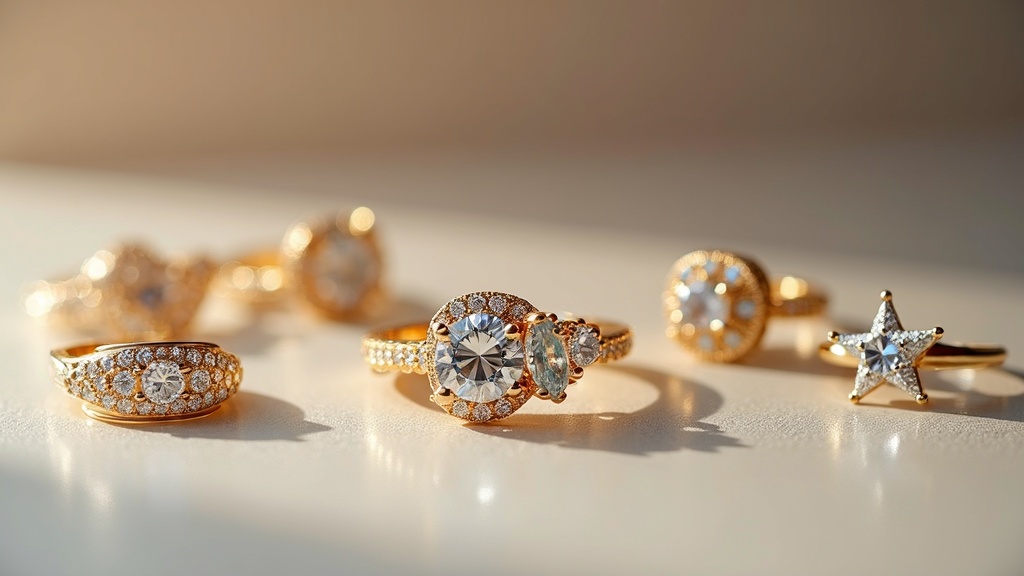
Ecommerce Jewelry Store Benefits for Independent Retailers
Ecommerce jewelry store benefits extend beyond simple online sales, offering independent jewelers a path to broader audiences, higher repeat purchases, and stronger brand storytelling. This article explores how digital channels reshape the jewelry retail landscape.
Table of Contents
- Article Snapshot
- Quick Stats: Ecommerce Jewelry Store Benefits
- Introduction
- 1. Expanding Customer Reach Beyond Local Markets
- 2. Building Trust Through Rich Digital Storytelling
- 3. Driving Repeat Business with Data-Driven Insights
- 4. Optimizing the Omnichannel Experience
- Frequently Asked Questions
- Comparison: Ecommerce vs. Brick-and-Mortar Jewelry Retail
- Practical Tips for Launching Your Jewelry Ecommerce Store
- Key Takeaways
- Useful Resources
Article Snapshot: Ecommerce jewelry store benefits include access to a global customer base, the ability to tell compelling product stories through digital media, data-driven marketing for higher repeat sales, and seamless omnichannel integration. Independent jewelers who invest in ecommerce typically see broader geographic reach and stronger customer loyalty.
Quick Stats: Ecommerce Jewelry Store Benefits
- 70% of consumers research jewelry purchases online before buying.
- 80% of online jewelry shoppers say detailed product photography is a key factor in their purchase decision.
- 30% average repeat purchase rate for customers acquired through ecommerce channels at specialty jewelry retailers.
The jewelry industry has undergone a profound transformation. Where once a brick-and-mortar storefront was the only viable path to sales, today’s independent jewelers are discovering that ecommerce jewelry store benefits can dramatically reshape their business. The shift is not merely about adding a website; it is about fundamentally expanding how a jeweler connects with customers, tells stories, and builds a sustainable brand. As consumers increasingly turn to digital channels for discovery, research, and even high-value purchases, having a robust online presence has become a competitive necessity. This article explores four key advantages that independent jewelry retailers can unlock by embracing ecommerce, from reaching new markets to fostering lasting customer relationships.
1. Expanding Customer Reach Beyond Local Markets
For a traditional jewelry store, the customer base is largely defined by geography. Passersby, local advertising, and word-of-mouth within a limited radius drive foot traffic. An ecommerce store shatters these boundaries. By establishing an online presence, an independent jeweler can showcase their collections to customers in different cities, states, or even countries. This expanded reach is not just theoretical; it translates directly into a larger pool of potential buyers. The share of global jewelry sales taking place online is 15 percent, and this figure is projected to grow at a compound annual rate of 12 percent over the next five years. For jewelers who act now, the opportunity to capture a slice of this growing digital market is significant. Moreover, independent jewelers that invest in ecommerce typically see a broader geographic customer base and higher repeat purchase rates than peers who rely only on physical stores.
A well-structured online store also allows a jeweler to target specific customer segments through digital advertising and search engine optimization. By leveraging machine learning and AI training tools, retailers can analyze browsing behavior and serve personalized recommendations, further extending their reach to audiences who are actively seeking unique pieces. This ability to connect with customers far beyond the local community is one of the most powerful ecommerce jewelry store benefits.
2. Building Trust Through Rich Digital Storytelling
Jewelry is an inherently personal and considered purchase. Consumers need to trust the quality, craftsmanship, and authenticity of a piece before they commit. Ecommerce provides the perfect platform for detailed storytelling that builds this trust. Through high-resolution images, 360-degree videos, and detailed descriptions of materials and sourcing, a jeweler can convey the value of a piece in ways a physical display case cannot. 80 percent of online jewelry shoppers say detailed product photography is a key factor in their purchase decision, underscoring the importance of visual presentation. Because jewelry purchases are highly considered, ecommerce sites that combine detailed product information with rich content and social proof can significantly increase customer confidence and conversion.
Beyond product pages, a blog or editorial section can explore the inspiration behind collections, the history of gemstones, or the techniques used by artisans. This content not only educates the customer but also positions the jeweler as an expert and a curator, not merely a seller. For example, a jeweler might write about the properties of a colloidal solution used in gemstone treatment, demonstrating technical knowledge that reinforces credibility. This depth of content is difficult to replicate in a physical store and is a cornerstone of effective digital marketing.
3. Driving Repeat Business with Data-Driven Insights
One of the most significant ecommerce jewelry store benefits is the wealth of data generated by online interactions. Every click, search, and purchase provides actionable insights. Retailers can track which products are most viewed, which marketing campaigns drive conversions, and at what point customers abandon their carts. This data enables targeted follow-up emails, personalized product recommendations, and loyalty programs that are far more effective than generic promotions. The average repeat purchase rate for customers acquired through ecommerce channels at specialty jewelry retailers is 30 percent, a figure that highlights the potential for building a loyal customer base online.
Independent jewelers that invest in ecommerce typically see a broader geographic customer base and higher repeat purchase rates than peers who rely only on physical stores. By segmenting customer lists by purchase history or browsing behavior, a jeweler can send tailored messages about new arrivals that match a customer’s taste, or offer exclusive discounts for their birthday. This data-driven approach transforms sporadic buyers into brand advocates, fueling sustainable growth.
4. Optimizing the Omnichannel Experience
Today’s jewelry consumer does not think in terms of online versus offline. They research on a mobile phone, browse on a tablet, visit a store to try on pieces, and may ultimately complete the purchase on a laptop. Omnichannel capabilities, including strong ecommerce platforms, are now a key driver of growth in fine jewelry as consumers expect seamless movement between online browsing and offline purchasing. For jewelry retailers, ecommerce is no longer a nice-to-have channel; it is a critical venue for discovery and research, even when the final purchase happens in-store. Integrating the online store with the physical location creates a unified brand experience. Features like buy-online-pick-up-in-store (BOPIS), virtual appointments, and online inventory visibility for in-store items bridge the gap between channels.
This integration also benefits the retailer operationally. A single inventory management system prevents overselling and allows for efficient fulfillment. Customer data collected online can be used to personalize the in-store experience, such as having a sales associate prepare a selection of rings similar to what a customer viewed on the website. The jewelry category has seen some of the fastest growth in online luxury sales because digital channels allow brands to tell rich product stories and build trust at scale. For independent jewelers, mastering this omnichannel approach is essential to competing with larger chains and pure-play online brands.
Important Questions About Ecommerce Jewelry Store Benefits
What are the most important ecommerce jewelry store benefits for a small independent jeweler?
The most significant benefits include the ability to reach customers beyond a local geographic area, the opportunity to build trust through detailed product storytelling and rich media, access to customer data that drives personalized marketing and higher repeat purchase rates, and the capacity to create a seamless omnichannel experience that meets modern consumer expectations. These advantages collectively enable a small jeweler to compete more effectively with larger retailers and build a sustainable, growing business.
How can a jewelry ecommerce store build trust with customers who cannot see the product in person?
Building trust online requires a multi-faceted approach. High-resolution product photography from multiple angles, 360-degree views, and videos showing the piece in natural light are essential. Detailed descriptions covering materials, gemstone quality, craftsmanship, and sourcing help educate the buyer. Including customer reviews, testimonials, and user-generated photos provides social proof. A clear, fair return policy and responsive customer service further reassure hesitant shoppers. Combining these elements creates a transparent and confidence-inspiring shopping experience.
What is the average cost to start an ecommerce jewelry store?
Startup costs vary widely depending on the platform, product inventory, and level of customization. A basic store using a platform like Shopify or WooCommerce can be launched for a few hundred dollars for the domain, hosting, and a theme. However, significant investment is typically needed for professional product photography, initial inventory, website design, and marketing. A more realistic budget for a professional, well-stocked store with a strong brand presence might range from $5,000 to $20,000 or more. Ongoing costs include platform fees, payment processing, marketing, and inventory replenishment.
How do I drive traffic to my new jewelry ecommerce website?
Driving traffic involves a combination of strategies. Search engine optimization (SEO) is crucial for attracting organic traffic from people searching for specific jewelry types. Content marketing through blog posts and social media helps establish authority and engage potential customers. Paid advertising on platforms like Google Shopping, Instagram, and Pinterest can target users with high purchase intent. Email marketing to a growing list of subscribers nurtures leads and drives repeat visits. Collaborating with influencers or being featured in relevant publications can also bring in targeted traffic. A diversified approach is most effective.
Comparison: Ecommerce vs. Brick-and-Mortar Jewelry Retail
Understanding the differences between a purely physical store and an online operation helps clarify the ecommerce jewelry store benefits. The table below outlines key areas of comparison.
| Aspect | Traditional Brick-and-Mortar | Ecommerce Store |
|---|---|---|
| Customer Reach | Limited to local foot traffic and community | Global audience accessible via internet |
| Product Presentation | Physical display cases, limited by space | Unlimited digital media, 360-degree views, video |
| Customer Data | Limited to in-store interactions | Rich data on browsing, cart, and purchase behavior |
| Operating Hours | Set store hours | 24/7 accessibility |
| Overhead Costs | Rent, utilities, in-person staff | Platform fees, marketing, fulfillment |
| Repeat Purchase Rate | Dependent on in-store relationship | Data-driven personalization can drive 30% repeat rate |
Practical Tips for Launching Your Jewelry Ecommerce Store
Transitioning to or adding an online channel requires careful planning. Here are actionable tips to maximize the ecommerce jewelry store benefits from day one.
- Invest in professional photography. Since 80% of online jewelry shoppers cite detailed product photography as a key factor, hire a photographer who specializes in jewelry. Use macro lenses, proper lighting, and multiple angles to capture the brilliance and detail of each piece.
- Write compelling product descriptions. Go beyond basic specs. Tell the story of the piece: where the gemstone was sourced, the inspiration for the design, the skill involved in its creation. This builds emotional connection and trust.
- Implement a data-driven marketing strategy. Use the analytics from your platform to understand customer behavior. Segment your email list and send personalized recommendations. Retarget visitors who abandoned their carts with a gentle reminder or a small discount.
- Create a seamless return policy. A generous, clearly communicated return policy reduces the perceived risk of buying jewelry online. Include a prepaid return label and clear instructions to build confidence.
- Optimize for mobile. With 65% of traffic to jewelry brand websites coming from mobile devices, ensure your store is fully responsive and offers a smooth browsing and checkout experience on smartphones.
To further enhance your store’s visibility and attract the right customers, consider professional ecommerce SEO services that can help optimize your site for search engines and drive targeted traffic.
For more about The allure of beautiful silver jewelry timeless elegance meets modern chic, see find the allure of beautiful silver jewelry timeless elegance meets modern chic resources.
Key Takeaways
The decision to launch an ecommerce jewelry store benefits independent retailers in profound ways: it opens doors to new markets, enables powerful brand storytelling through digital media, provides data for personalized marketing that drives repeat business, and creates a seamless omnichannel experience that modern consumers demand. By embracing these opportunities, jewelers can build a resilient, growth-oriented business that thrives in the digital age. Now is the time to evaluate your current strategy and take the first step toward a comprehensive online presence. For more guidance on building your digital storefront, explore our resources on backfill grouting techniques and their industrial applications.
Useful Resources
- Quote from Sucharita Kodali, Vice President and Principal Analyst at Forrester Research.
- Quote from Sarah Willersdorf, Global Head of Luxury at Boston Consulting Group.
- Quote from Carolyn Kormann, Senior Director of Retail at Shopify.
- Quote from Federica Levato, Partner and Luxury Practice Co-leader at Bain & Company.
- Quote from David Edelman, Adjunct Professor of Marketing at Harvard Business School.


